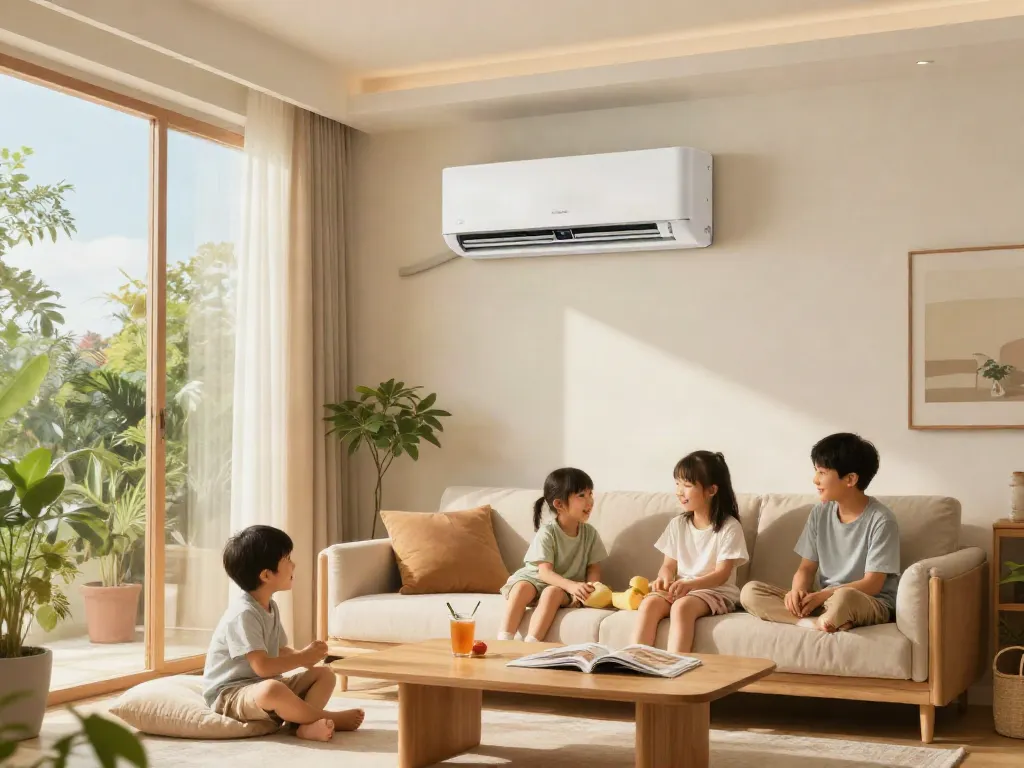
Understanding Ductless Air Conditioners
Ductless air conditioners, often referred to as mini splits, have become a popular choice for temperature control in various settings, from residences to commercial spaces. These innovative systems offer an effective solution for efficient heating and cooling without the need for extensive ductwork. When exploring options, ductless air conditioner mini systems can provide comprehensive insights into an energy-efficient cooling solution that can cater to diverse needs.
What is a ductless air conditioner mini?
A ductless air conditioner mini, also known as a mini-split system, consists of two main components: an outdoor unit and one or more indoor air-handling units. The outdoor unit houses the compressor and condenser, while the indoor units are responsible for distributing conditioned air into the living space. This type of system is particularly popular for retrofitting older homes where installing ductwork may not be feasible or efficient.
How does a ductless mini-split system work?
At its core, a ductless mini-split system operates based on the principles of heat exchange. The outdoor unit absorbs heat from the outside air and transfers it to the refrigerant, which is then pumped to the indoor units. Here, the refrigerant releases its heat and cools the air, effectively creating a comfortable indoor environment. In the winter, the process can reverse, allowing the system to extract heat from the cold air outside and raise the temperature inside, making it a versatile system for year-round climate control.
What are the benefits of using a ductless air conditioner mini?
- Energy Efficiency: Mini-split systems are designed to be highly efficient, often with SEER (Seasonal Energy Efficiency Ratio) ratings above 20, meaning they consume less energy than traditional HVAC systems.
- Flexibility: These systems can be installed in a variety of configurations and locations, allowing homeowners to cool or heat specific areas (zones) independently.
- Quiet Operation: Indoor units operate at lower noise levels compared to traditional systems, providing comfort without disrupting daily life.
- Reduced Installation Costs: Installation is less invasive than traditional central heating and cooling systems, typically leading to lower labor costs and installation times.
- No Ductwork: Eliminating the need for ducts reduces issues associated with duct losses, which can account for over 30% of energy consumption in some homes.
Choosing the Right Size
How to determine the appropriate BTU capacity for your space?
Choosing the right size for your ductless mini-split system is vital for achieving optimal efficiency and comfort. The cooling or heating capacity of air conditioners is measured in British Thermal Units (BTUs), and selecting the right BTU capacity requires careful consideration of several factors, including the size of the room, the number of windows, and the level of insulation. For instance, a small room may only require a system rated for 6,000 to 8,000 BTUs, while larger spaces could require units with capacities of 20,000 BTUs or more.
What factors influence sizing for ductless mini-splits?
- Room Size: Larger spaces require higher BTU ratings to maintain comfortable temperatures.
- Insulation Quality: Well-insulated rooms retain temperature better, potentially allowing for smaller systems.
- Climate: In hotter climates, a higher capacity may be necessary to keep up with the external temperatures.
- Ceiling Height: Standard calculations often assume an 8-foot ceiling; higher ceilings may require additional capacity.
Common mistakes in selecting the size of your ductless system
One of the biggest mistakes homeowners make is under-sizing or over-sizing their systems. An under-sized system will struggle to cool or heat the space adequately, leading to discomfort and excessive energy bills. Conversely, an over-sized system will cycle on and off frequently, leading to inconsistent temperatures and increased wear on components. Consulting with an HVAC professional can help you avoid these pitfalls and select the appropriate capacity for your needs.
Installation Considerations
What are the steps to install a ductless air conditioner mini?
Installing a ductless mini-split system requires several key steps:
- Choose an ideal location for the indoor unit(s) that allows for optimal airflow and minimal obstruction.
- Mount the indoor unit to the wall and connect it to the outdoor unit via refrigerant lines and electrical wiring.
- Install the outdoor unit on a secure platform or mounting brackets, ensuring that it is level and accessible for maintenance.
- Connect the refrigerant lines and electrical connections carefully, ensuring proper insulation to prevent energy losses.
- Test the system for proper operation, making adjustments as necessary to ensure efficiency.
Should you hire a professional or install it yourself?
While DIY installation may seem cost-effective, hiring a certified HVAC technician is recommended for ductless mini-split installations. A professional can ensure that the system is correctly sized, installed, and functioning at peak efficiency, thus maximizing your investment and ensuring safety.
What tools and preparations are needed for installation?
Common tools needed for installation include a drill, level, screwdriver, and tubing cutter. Additionally, proper preparations involve measuring the dimensions of the space, obtaining necessary permits, and ensuring access to electrical resources. Adequate planning can help facilitate a smoother installation process and enhance the overall effectiveness of the system.
Efficiency and Maintenance
How to maximize the efficiency of your ductless air conditioner mini?
To maximize the efficiency of your ductless mini-split system, consider the following tips:
- Regular Filter Cleaning: Keep the air filters clean to ensure unrestricted airflow and optimal performance.
- Utilize Zoning: Take advantage of the zoning capability by only cooling or heating rooms that are in use.
- Thermostat Settings: Adjust thermostat settings to match your schedule, using programmable thermostats whenever possible to minimize unnecessary energy usage.
- Seal and Insulate: Ensure windows and doors are sealed properly to prevent energy leaks that can compromise efficiency.
What maintenance practices will prolong the life of your system?
Regular maintenance is key to enhancing the lifespan of your ductless air conditioner mini. Schedule annual professional inspections to check refrigerant levels, inspect electrical components, and ensure all parts are functioning correctly. Additionally, keep the outdoor unit free from debris, and ensure that indoor units are not obstructed by furniture or drapes.
Common issues and troubleshooting tips for ductless systems
- Insufficient Cooling/Heating: Check for blocked filters, refrigerant leaks, or improper thermostat settings.
- Noisy Operation: Inspect the outdoor unit for debris or loose parts and ensure that the indoor unit is securely mounted.
- Frequent Cycling: This may indicate an improperly sized system; assessing needs with a professional can ensure correct sizing.
Future Trends in Ductless Technology
What innovations are emerging in ductless air conditioning technology?
Emerging innovations in ductless technology include advanced inverter technology that allows for variable speed operation, enhancing energy efficiency. Smart home integration, allowing users to control their systems from smartphones, is also on the rise. Moreover, improved filtration systems are being developed to enhance indoor air quality, which is becoming increasingly crucial in modern home environments.
How will energy efficiency standards evolve in 2026?
Energy efficiency standards are likely to become stricter as the push for sustainable living increases. By 2026, new models of ductless mini-splits are expected to meet higher SEER ratings, promoting even greater energy savings. Homeowners are encouraged to stay informed about these changes to ensure compliance and optimize their energy choices.
What role do ductless systems play in sustainable living?
Ductless mini splits significantly contribute to energy conservation, as they are generally more efficient than traditional HVAC systems. By reducing overall energy consumption, these systems not only lower utility costs but also decrease carbon footprints. Integrating ductless technology into both residential and commercial settings aligns with sustainable practices, positioning them as a key player in eco-friendly climate control solutions.
What are the costs associated with installing a ductless air conditioner mini?
Installation costs for ductless air conditioner mini systems vary based on factors such as the number of units, installation complexity, and geographic location. On average, homeowners can expect to spend between $3,000 to $8,000 for a complete system, including installation. While the initial investment may seem significant, the energy savings over time can provide substantial returns, making them a financially viable option.
How do ductless systems compare to traditional HVAC systems?
Ductless systems offer several advantages over traditional HVAC systems, primarily through enhanced efficiency and flexibility. Unlike traditional systems that rely on a labyrinth of ducts, ductless units can be installed in targeted areas, allowing for zoned heating and cooling. This focus on specific zones can lead to up to 30% energy savings compared to conventional systems. Additionally, the absence of ductwork eliminates energy losses that occur in traditional systems, further enhancing the overall efficiency.
Are there any government incentives for choosing energy-efficient ductless systems?
In many regions, government incentives and rebates are available for homeowners who opt for energy-efficient ductless mini-split systems. Programs may vary by state or region, but they often include tax credits, rebates, or grants for installing systems that meet specific energy efficiency criteria. It is advisable for homeowners to explore available incentives to help offset installation costs and encourage the adoption of sustainable living practices.