

Understanding Bed Bugs: An Overview
Bed bugs are pervasive pests that can invade homes and businesses, creating significant discomfort and distress. Their resurgence in recent years has led to a growing need for effective bed bug removal strategies, particularly in urban areas like Milwaukee. The ability of these insects to hide in the most inconspicuous places and their resilience against various treatments make them a challenging problem for homeowners and pest control technicians alike.
What Are Bed Bugs and How Do They Operate?
Bed bugs, scientifically known as Cimex lectularius, are small, wingless insects that feed on the blood of humans and other warm-blooded hosts. Adults are typically reddish-brown, approximately 1/4 inch long, and have a flat, oval shape. They are nocturnal creatures, preferring to emerge at night when their hosts are asleep. Once a bed bug finds a suitable host, it uses its specialized mouthparts to pierce the skin and draw blood. This feeding process usually lasts between 5 to 10 minutes.
Common Signs of Bed Bug Infestation
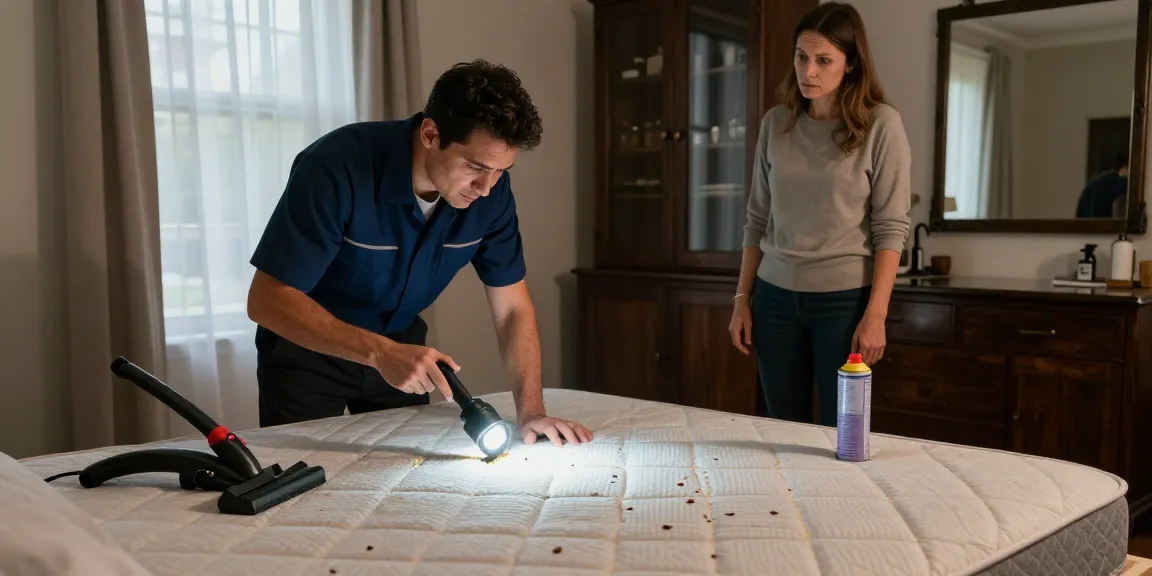
Identifying a bed bug infestation early is crucial for effective treatment. Common signs include:
- Itchy, red welts on the skin
- Small blood stains on bedding and furniture
- Dark, inky spots from bed bug droppings
- Molted skin from bed bug nymphs
- Musty odor emanating from heavily infested areas
Bed Bug Life Cycle and Behavior
The life cycle of a bed bug consists of several stages: egg, nymph, and adult. Female bed bugs can lay up to 7 eggs per week, resulting in a quick population increase if not managed. Nymphs, which are immature bed bugs, require at least one blood meal before molting into adults, making the presence of a host essential for their growth. Bed bugs can survive several months without feeding, which makes them particularly resilient and capable of establishing infestations even in unoccupied spaces.
Effective Bed Bug Removal Strategies
Successfully addressing a bed bug problem requires a multi-faceted approach, combining various removal strategies tailored to the specific circumstances of the infestation.
Heat Treatment vs. Chemical Treatments
Heat treatment is an increasingly popular method that involves raising the temperature of an infested area to levels lethal to bed bugs. It is effective against all life stages, including eggs, and typically takes just a few hours to complete. On the other hand, chemical treatments involve applying residual insecticides that remain active for prolonged periods, offering lasting protection against re-infestation. Both methods can be effective, but the choice often depends on factors such as the severity of the infestation, the presence of sensitive individuals (e.g., allergy sufferers), and furniture considerations.
The Importance of Integrated Pest Management
Integrated Pest Management (IPM) is a holistic approach that combines various strategies to control and prevent bed bug infestations. It may include inspection, monitoring, and a combination of physical removal methods, chemical treatments, and preventive measures. Utilizing IPM ensures comprehensive treatment that addresses the root causes of infestations while minimizing the risk of future outbreaks.
Safe DIY Bed Bug Removal Techniques
While professional extermination is often necessary, there are some DIY methods homeowners can use to complement treatment efforts, including:
- Washing and drying infested clothing and bedding on high heat
- Vacuuming regularly and discarding the vacuum contents in a sealed bag
- Using mattress encasements designed to trap bed bugs
- Sealing cracks and crevices where bed bugs may hide
However, these methods should not be solely relied upon, as they do not eliminate an established infestation.
Choosing the Right Exterminator in Milwaukee
Finding a qualified bed bug exterminator is crucial for effective removal and prevention of future infestations. Here are essential factors to consider during your selection process:
What to Look for in a Bed Bug Removal Service
Choose an exterminator with specific expertise in bed bug removal. This includes a strong understanding of bed bug biology, their behavior, and the latest control methods. Check for the following:
- Certification and licensing in pest control.
- Experience with bed bug treatments and a positive track record.
- Positive customer reviews and testimonials.
- Use of integrated pest management techniques.
Questions to Ask Your Pest Control Professional
When interviewing potential exterminators, be sure to ask about their methods, expected outcomes, and follow-up plans. Key questions include:
- What treatment methods will you use?
- How do you ensure that the treatment will be effective?
- What precautions should I take before and after treatment?
- Do you provide follow-up inspections or treatments if necessary?
Understanding Pricing and Treatment Plans
Pricing for bed bug removal varies widely based on the severity of the infestation and the treatment methods used. Ensure you receive a detailed estimate that outlines all costs, including potential follow-up visits. While the cheapest option may be tempting, look for value and effectiveness rather than simply the lowest price.
Preventing Future Infestations
Once bed bugs have been eliminated, it is crucial to take steps to prevent future infestations. Here are some effective practices:
Best Practices for Avoiding Bed Bugs
To minimize the risk of re-infestation, consider the following tips:
- Inspect used furniture and clothing before bringing them into your home.
- Be cautious when traveling, and inspect hotel rooms for signs of bed bugs.
- Regularly clean and declutter your living space to reduce hiding spots.
- Use bed bug-proof covers on mattresses and box springs.
How to Prepare Your Home for Extermination
Preparation is critical to the success of treatment. The following guidelines can help ensure a thorough extermination:
- Remove clutter from affected areas to facilitate access.
- Wash and dry all bedding and clothing prior to treatment.
- Seal off areas of your home that are not being treated to prevent bed bugs from escaping.
- Follow any specific instructions given by your pest control professional.
Monitoring and Maintenance After Treatment
After treatment, it is essential to monitor the area for signs of bed bugs. Utilize traps and regular inspections to detect any potential re-infestation early. Additionally, it may be helpful to schedule periodic follow-up visits with your pest control provider to ensure long-term effectiveness.
Real-World Success Stories
Sharing success stories can provide insights into effective bed bug removal strategies and the importance of professional help.
Case Study: Effective Bed Bug Removal in Milwaukee
In one notable case in downtown Milwaukee, a family reported a significant bed bug infestation that disrupted their lives. After conducting a thorough inspection, the pest control team determined an integrated approach combining heat treatment and chemical sprays was necessary. The family followed all pre-treatment preparation steps, which resulted in the total elimination of bed bugs within two treatments.
Customer Testimonials on Bed Bug Treatment
Many customers have expressed their satisfaction with the effectiveness of professional pest control services. Comments often highlight the professionalism of the technicians, the thoroughness of inspections, and the efficiency of treatments. Hearing firsthand experiences can help others make informed choices when faced with similar issues.
Analyzing Treatment Outcomes and Best Practices
Evaluating treatment outcomes is essential for improving bed bug management strategies. Commonly noted best practices include comprehensive inspections, client education, and the use of multiple treatment modalities to enhance effectiveness.
How Can K9 Teams Enhance Bed Bug Detection?
Canine detection teams are becoming an invaluable resource in the fight against bed bugs. Trained dogs can accurately locate bed bugs based on scent, often before human inspectors can identify visual signs. Their use in inspections can lead to quicker and more precise treatments, ultimately saving time and resources.
What Are the Latest Innovations in Bed Bug Control?
Innovations in bed bug control continue to evolve, with new technologies and methods entering the market. This includes advancements in heat treatment equipment, the development of more effective insecticides, and apps for tracking bed bug sightings. Staying informed about these innovations can help both pest control professionals and homeowners better combat infestations.