
Understanding the Dystopian Romance Genre
Dystopian romance serves as a powerful narrative that intertwines love with societal critique, often set against a backdrop of oppressive regimes where emotional expression is stifled. This genre captivates readers by highlighting the struggle of individuals against systems that suppress their very nature. In examining dystopian romance resistance underground, we find compelling stories that reveal how love can transcend barriers in a world where it is often seen as a threat. Through the lens of characters grappling with authoritarian structures, readers are invited to explore themes of rebellion, identity, and the restoration of humanity.
Defining Dystopian Romance: Key Themes and Elements
The core of dystopian romance lies in its exploration of love under oppression. Key themes often include:
- Emotional suppression: Characters frequently face obstacles stemming from societal norms that devalue or criminalize emotions.
- Rebellion: Love itself becomes an act of resistance, with characters often forced to choose between their feelings and the dictates of an authoritarian regime.
- Identity and discovery: Protagonists typically undergo profound personal transformations as they navigate their emotions and societal expectations.
These themes resonate with readers, offering a reflection of contemporary societal issues while immersing them in romantic narratives that inspire hope amidst despair.
The Role of Resistance in Dystopian Narratives
Resistance serves as a critical component in dystopian romances. Characters often join underground movements, fighting against the oppressive structures that dictate their lives. This aspect not only fuels the plot but emphasizes the idea that love can motivate individuals to act against injustice. Through acts of defiance—whether small gestures of love or large rebellions—characters sow seeds of change within their world.
These narratives can be seen as metaphors for real-world struggles against political oppression and social inequality, encouraging readers to consider their roles in challenging systemic issues.
Exploring Emotional Depth in Dystopian Settings
Emotional depth is paramount in dystopian romances. Authors delve into characters’ internal conflicts, illustrating how love can thrive in the most adverse conditions. By showcasing the complexities of human emotion, these stories reveal the profound connections that bind characters together, even when society seeks to tear them apart.
In a world where emotional expression is optimized for control, the act of loving becomes an act of rebellion. This tension not only enriches character development but also endears readers to the protagonists, as they experience the highs and lows of love in a repressive society.
The Landscape of Underground Resistance
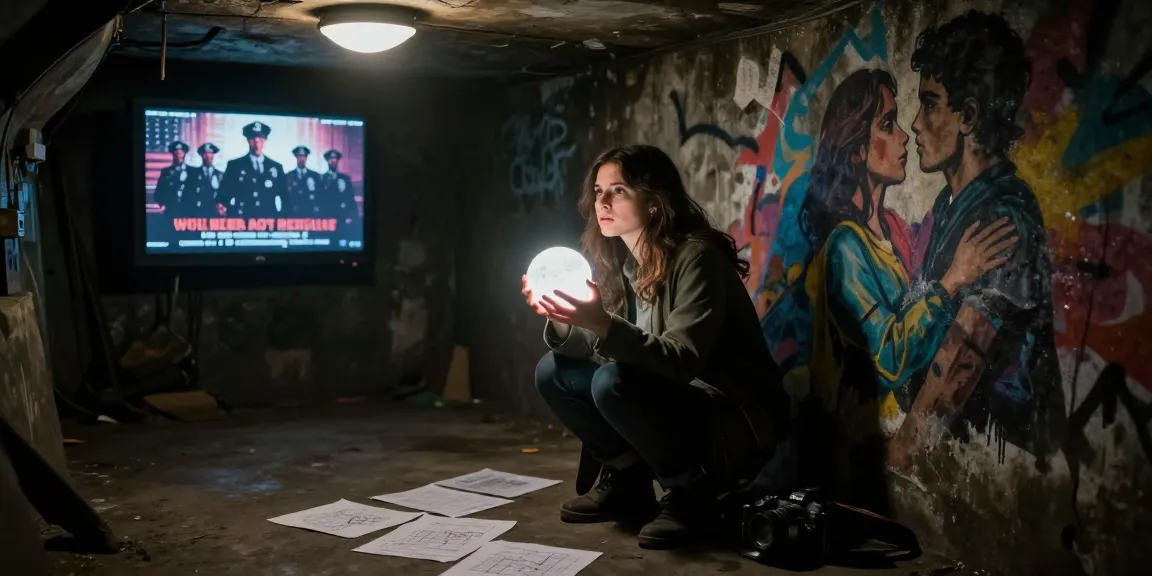
The underground resistance symbolizes hope and survival in dystopian narratives. It represents not just a physical space, but a conceptual one where characters can explore their identities free from the oppressive gaze of authority. The underground becomes a sanctuary for those who dare to defy the norms imposed upon them.
The Importance of Setting in Dystopian Fiction
Setting plays a vital role in shaping the dystopian narrative. Often, the worlds depicted are bleak, characterized by extreme surveillance, environmental decay, or societal collapse. This context is essential, as it serves as a backdrop against which the characters’ struggles are magnified.
In novels like “The Hunger Games” or “Divergent,” the settings are not merely locations; they are integral to the plot and character motivations. The oppressive environments contribute to the emotional stakes, pushing characters toward necessary rebellions, and providing readers with a visceral understanding of their challenges.
Symbolism of the Underground in Literature
The underground as a motif symbolizes several critical ideas in dystopian literature:
- Sanctuary: It serves as a protective space for individuals who reject the status quo, allowing them to foster relationships and explore their emotions freely.
- Resistance: The underground often acts as the bedrock for revolutionary movements, where characters unite to challenge oppressive regimes.
- Hope: Characters involved in underground resistance often exemplify the resilience of the human spirit, reminding readers that hope can flourish even in the darkest of times.
Key Works Featuring Underground Resistance
Several prominent works feature themes of underground resistance in their narratives. Some notable mentions include:
- “The Emotion Collector: Awakening” by Richard French – A story that juxtaposes love and rebellion against authoritarian control over emotions.
- “1984” by George Orwell – A chilling exploration of totalitarianism and the importance of resisting societal control.
- “The Giver” by Lois Lowry – This classic tale emphasizes the value of emotions in a controlled society and the consequences of their suppression.
These texts not only entertain but also provoke thought about the nature of freedom and the profound impact of love amidst adversity.
Character Archetypes in Dystopian Romance
Character archetypes play a crucial role in the narrative structure of dystopian romance. The dynamics between characters in oppressive settings often reveal deeper truths about love and the human condition.
The Heroine’s Journey: From Collector to Rebel
The central female protagonist in dystopian romances often embodies the journey from compliance to rebellion. For example, Emma Thorne in “The Emotion Collector: Awakening” starts as a Senior Collector, tasked with suppressing emotions. This role initially aligns her with the state; however, as she encounters love and betrayal, she transforms into a rebel, challenging the very system she once upheld.
This evolution showcases the complexities of identity and the power of love to ignite change, making for compelling character arcs that resonate with readers.
Supporting Characters: Allies and Antagonists
Supporting characters in dystopian romances serve essential functions—whether as allies who aid in the protagonist’s journey, or as antagonists who embody the oppressive forces at play. These dynamics are pivotal in shaping the central themes of the narrative:
- Allies: Friends and companions provide emotional support, often embodying courage and hope in the face of adversity.
- Antagonists: Characters who uphold the oppressive regimes challenge the protagonists, often representing internal and external conflicts that propel the story forward.
Through these interactions, readers gain a multifaceted understanding of the struggles and triumphs faced by individuals in a dystopian landscape.
Relationships that Flourish Amidst Oppression
Romantic relationships in dystopian settings are often fraught with tension, yet they serve as beacons of hope and resilience. The love between characters can bloom where it is least expected, reminding readers of the human capacity for affection even in the direst circumstances.
These relationships become transformative, providing characters with the motivation to resist and fight against the systems that seek to control them. Their love stories stand as testaments to the idea that, even in dark times, connection and empathy can lead to profound change.
Writing Effective Dystopian Romance
Crafting a compelling dystopian romance requires a delicate balance between plot, character development, and thematic exploration. Writers must navigate the complex interrelations between love and authority while ensuring that their characters remain relatable and engaging.
Building Tension: Conflict Between Love and Authority
The heart of a dystopian romance lies in the tension between romantic relationships and the oppressive systems governing them. Writers should create scenarios that heighten this conflict, compelling characters to make difficult choices between their emotions and their safety. Incorporating external pressures—such as surveillance, threats of violence, or social ostracism—can result in a gripping narrative that holds readers’ attention.
Crafting Emotional Depth in Characters
Emotional depth is crucial for resonating with readers. Authors should take care to develop layered characters with rich backstories, vulnerabilities, and motivations. Delving into their emotional lives can illuminate the broader implications of love within dystopian societies, helping readers forge strong connections to the characters’ journeys.
Incorporating Elements of Resistance and Rebellion
To resonate with contemporary audiences, writers should weave elements of resistance and rebellion throughout their narratives. Whether through the characters’ actions, the choices they make, or the relationships they forge, the theme of resistance should pervade the storyline. This ensures that the romance remains compelling and relevant, echoing the struggles faced by individuals in oppressive systems today.
Future Trends in Dystopian Literature
The dystopian genre continuously evolves, reflecting societal changes and emerging themes. As we look ahead to 2026 and beyond, several trends are likely to shape the landscape of dystopian romance.
Emerging Themes in Dystopian Romance for 2026 and Beyond
Future dystopian romances may explore:
- Climate crisis narratives: As environmental concerns mount, stories may increasingly reflect struggles against ecological decay and the emotional toll it takes on relationships.
- Digital surveillance and privacy: With technology’s growing role in daily life, narratives may delve into the implications of surveillance and control on personal freedoms and connections.
- Intersectionality: Future stories are likely to represent diverse voices and experiences, addressing how issues like race, gender, and socioeconomic status intersect with themes of oppression and rebellion.
The Influence of Current Events on Dystopian Narratives
Current global events profoundly impact dystopian narratives, shaping how authors depict authority, resistance, and emotional survival. As societal challenges evolve, so too do the stories that reflect them, offering insight and commentary on contemporary issues.
By engaging with real-world challenges, authors can create resonant narratives that not only entertain but also inspire readers to think critically about the world around them.
Gaining Readers’ Loyalty in a Changing Landscape
As the dystopian genre continues to adapt, authors must prioritize building strong connections with their readership. Engaging with fans through social media, providing behind-the-scenes insights, and fostering community discussions can enhance loyalty and investment in their works. By maintaining relevance and addressing readers’ concerns, authors can ensure their stories resonate within the changing landscape of literature.
What defines a dystopian romance?
Dystopian romance is characterized by its focus on love amid oppressive conditions—a narrative that showcases emotional connections as acts of rebellion against totalitarian regimes.
How do underground resistance stories resonate today?
These narratives speak to contemporary struggles with authoritarianism and societal injustice, offering readers a hopeful lens through which to view their own experiences of resistance and resilience.
What are the common tropes in dystopian romance?
Common tropes include star-crossed lovers, forbidden love, and the hero’s journey from submission to rebellion, which illuminate the complexities of human emotions in oppressive settings.
Why is emotional suppression a recurring theme?
Emotional suppression serves as a powerful metaphor for societal control, demonstrating how love and vulnerability can challenge and ultimately dismantle oppressive structures.
How can I write a compelling character arc in dystopian settings?
A compelling character arc in dystopian settings often involves significant transformation, driven by love and conflict against an oppressive regime, ensuring accessibility and relatability for readers.