
Understanding Flooring LVP
What is Flooring LVP?
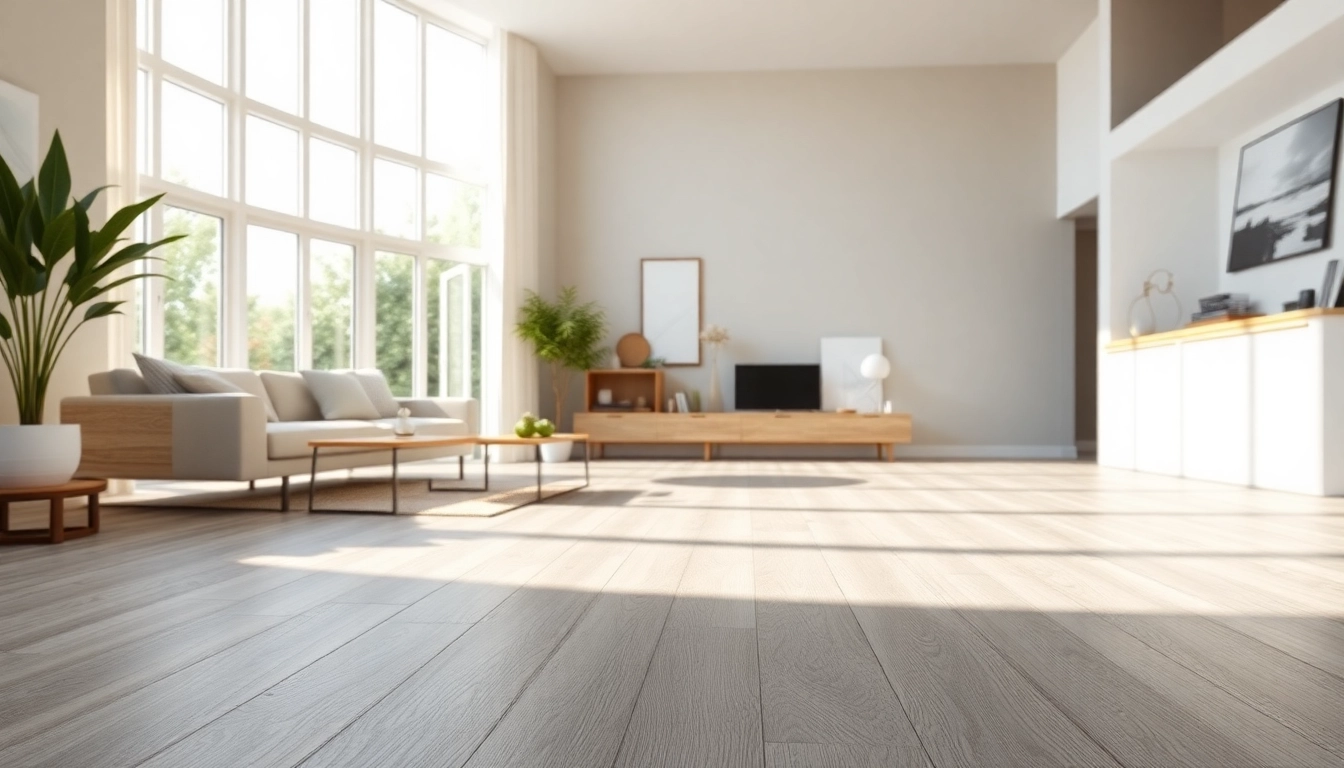
Flooring LVP, short for luxury vinyl plank, represents an innovative advancement in flooring solutions, combining the aesthetic appeal of hardwood with the resilient and practical benefits of vinyl. This engineered flooring option is designed to mimic the texture and appearance of natural wood or other materials, making it a popular choice among homeowners and designers alike. It typically consists of several layers, including a backing layer for added stability, a core layer that provides durability, a visual layer for realistic designs, and a wear layer that protects against scratches and stains.
Benefits of Flooring LVP
Choosing flooring lvp comes with a myriad of benefits, appealing to both aesthetic preferences and practical needs:
- Durability: Flooring LVP is engineered to withstand heavy foot traffic, making it ideal for residential and commercial spaces alike.
- Water Resistance: Its water-resistant properties make it suitable for areas prone to moisture, such as kitchens and bathrooms.
- Easy Maintenance: Regular sweeping and occasional mopping are sufficient to keep it looking pristine.
- Wide Variety of Designs: LVP comes in an extensive range of colors, styles, and textures, allowing for creative interior designs.
- Comfortable Underfoot: Unlike traditional tile or hardwood, LVP remains comfortable to walk on and can also be warmer in colder climates.
- Cost-Effective: Flooring LVP generally offers an attractive alternative to hardwood at a fraction of the price, making it financially appealing.
Common Misconceptions About Flooring LVP
Despite its advantages, there are several misconceptions surrounding flooring LVP:
- It’s not durable: Many people assume that because it’s vinyl, it will be prone to damage. In reality, LVP is constructed to resist dents, scratches, and stains.
- It looks cheap: The realistic wood-grain prints and textures available in LVP can rival actual hardwood, making it visually appealing.
- It’s hard to install: With proper preparation and tools, DIY installation of flooring LVP is feasible for many homeowners.
- It can’t be used in high-moisture areas: The reality is that LVP is designed to handle splashes and humidity, making it perfect for bathrooms and laundry rooms.
Choosing the Right Flooring LVP for Your Space
Key Features to Consider
When selecting flooring LVP, it’s essential to focus on several key features:
- Thickness: A thicker plank typically offers better durability and resilience. Most options range from 4mm to 8mm.
- Wear Layer: This layer protects the visual layer; a wear layer of 20 mil or higher is recommended for high-traffic areas.
- Core Material: Look for options with a solid core or rigid core for enhanced durability and performance.
- Texture and Finish: The surface texture can significantly impact the overall look. Options such as embossed or hand-scraped finishes can add depth.
- Environmental Certifications: Opt for LVP that is low in volatile organic compounds (VOCs) for better indoor air quality.
Types and Styles of Flooring LVP
The variety in flooring LVP can cater to virtually any style preference:
- Wood-Look Planks: Perfectly mimicking hardwood, they come in various species like oak, maple, and walnut.
- Stone-Look Planks: For those desiring a contemporary or rustic aesthetic, LVP can imitate slate, marble, and other stone types.
- Textured Options: Textures provide added realism and slip resistance, making them a safe choice for all environments.
- Patterned and Solid Colors: For modern or eclectic designs, patterned LVP or bold solid colors can serve as stunning focal points.
How to Match Flooring LVP with Your Interior Design
To achieve a cohesive look in your space, consider these steps for matching flooring LVP with interior design:
- Identify Your Style: Understand whether your decor leans towards traditional, contemporary, or eclectic styles to choose the appropriate flooring.
- Color Coordination: Select LVP colors that complement or contrast with existing furniture and wall colors. Neutral tones tend to blend well.
- Consider the Space: Larger spaces may benefit from longer planks for a seamless, expansive look, whereas smaller areas could use more varied designs.
- Layering Textures: Combine flooring LVP with textiles and other materials like rugs to enhance comfort and style.
Installation Process of Flooring LVP
Preparation Before Installation
Before diving into installation, several preparatory steps can ensure a smoother process:
- Acclimation: Allow flooring LVP to sit in the installation space for at least 48 hours to acclimate to the environment.
- Surface Preparation: Ensure the subfloor is clean, dry, and level. Any imperfections can affect the finished appearance.
- Tools Needed: Gather essential tools such as a utility knife, measuring tape, straight edge, rubber mallet, and spacers.
- Moisture Barrier: Depending on the installation area, a moisture barrier may be necessary to protect the LVP.
Step-by-Step Installation Guide
Here’s a straightforward installation approach for flooring LVP:
- Measure the Area: Take accurate measurements of the room to calculate the amount of flooring LVP needed.
- Cut the Planks: Utilize a utility knife to cut the planks to fit around obstacles and edges.
- Lay the First Row: Begin with the longest wall, using spacers to maintain an expansion gap determining the distance from the wall.
- Locking Mechanism: Engage the locking mechanism of the planks without the need for glue or nails, ensuring a seamless fit.
- Continue Laying: Repeat the process for subsequent rows, staggering the seams for added visual interest and stability.
- Trim and Finish: Install molding around the edges for a polished finish, and remove all spacers used during installation.
Hiring Professionals vs. DIY Installation
Deciding between professional installation and DIY largely depends on your skills and time availability:
- Professional Installation: Hiring experts can save time and ensure a quality finish, especially for large areas or complicated layouts. Typically includes warranties and guarantees.
- DIY Installation: For those with handy skills, installing flooring LVP can be a rewarding challenge that saves money. Ample online resources and videos are available to guide the process.
Maintenance and Care for Flooring LVP
Daily Cleaning Tips
For maintaining the pristine look of flooring LVP, follow these daily cleaning practices:
- Sweep or Vacuum: Regular sweeping or vacuuming prevents dirt and debris from scratching the surface.
- Use a Damp Mop: Occasionally damp mop using a manufacturer-recommended cleaner to keep floors looking shiny and new.
- Avoid Harsh Chemicals: Using abrasive cleaners can damage the wear layer; stick to products intended for vinyl flooring.
Long-Term Maintenance Practices
To prolong the life of your flooring LVP, incorporate long-term maintenance strategies:
- Use Floor Mats: Place mats at entrances to reduce dirt and moisture tracking onto the flooring.
- Protective Furniture Pads: Attach pads to the feet of furniture to prevent scratches and indentations.
- Periodic Deep Cleaning: Schedule a deep clean periodically with a vinyl-safe product or steam cleaner for a refresh.
Common Issues and How to Resolve Them
Common issues with flooring LVP may arise, but many can be remedied easily:
- Scratches: Minor scratches can often be buffed out with a vinyl repair kit; deeper scratches may require replacement of the plank.
- Peaking and Buckling: Ensure proper expansion gaps were maintained, and if flooring has buckled, allow it to acclimate and settle.
- Discoloration: Protect your flooring from direct sunlight and heat sources, as prolonged exposure can lead to fading.
FAQs About Flooring LVP
1. How durable is flooring lvp?
Flooring LVP is highly durable, resistant to scratches, and capable of withstanding high traffic, making it ideal for homes.
2. Can flooring lvp be installed in bathrooms?
Yes, flooring LVP is water-resistant, which makes it a suitable choice for bathrooms and areas prone to moisture.
3. How does flooring lvp compare to hardwood?
Flooring LVP offers a similar aesthetic to hardwood but is generally more affordable, easier to maintain, and more resistant to moisture.
4. What tools do I need for installation?
Essential tools include a measuring tape, utility knife, straight edge, and rubber mallet for proper installation of flooring LVP.
5. Is flooring lvp eco-friendly?
Many brands offer eco-friendly flooring LVP options made from recycled materials, ensuring sustainability while providing beauty and durability.